 Olympique de Marseille
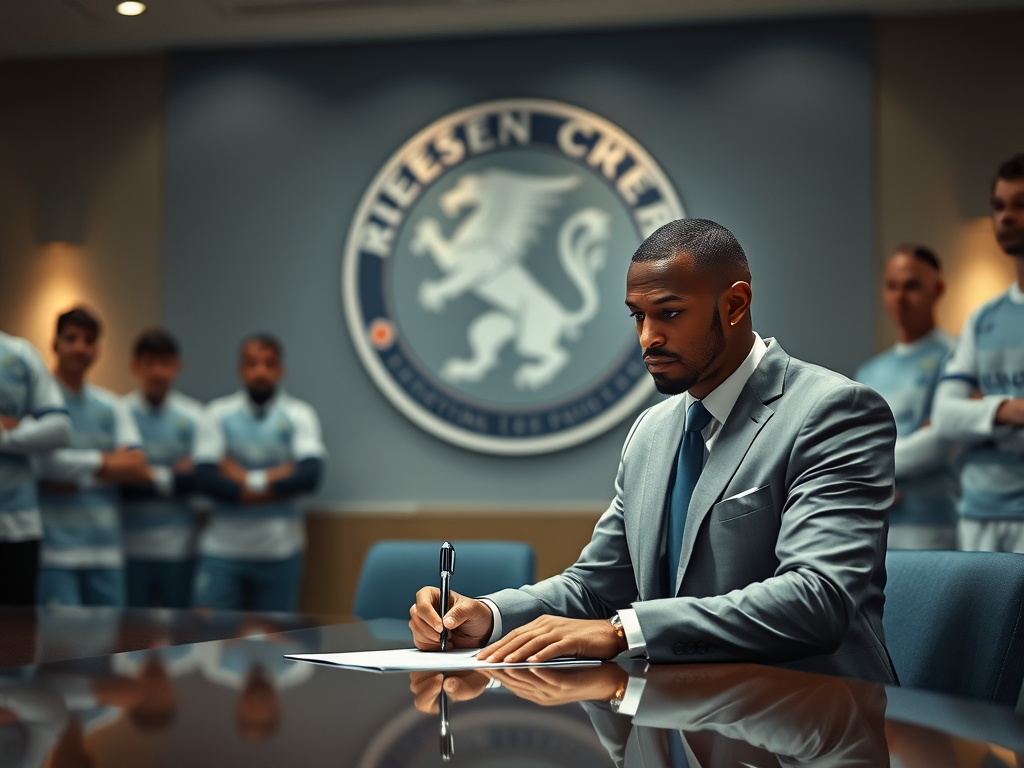
The 1990s are often regarded as the golden age of Olympique de Marseille, and for good reason: the arrival of Bernard Tapie as president in 1986 transformed the landscape of French football. With a clear vision and ambitious goals, Tapie managed to turn OM into a winning machine.
Under his leadership, the club not only achieved unprecedented sporting success but also redefined the economic model of football clubs in France. Tapie understood the importance of investing in infrastructure and players, which allowed the assembly of a star-studded team, featuring iconic players such as Jean-Pierre Papin and Didier Deschamps.
One of the most significant moments of this era remains the French championship title in 1991, which was followed by a victory in the Champions League in 1993. This latter achievement not only secured OM's place in history but also reinforced the club's identity as one of the most prestigious in Europe.
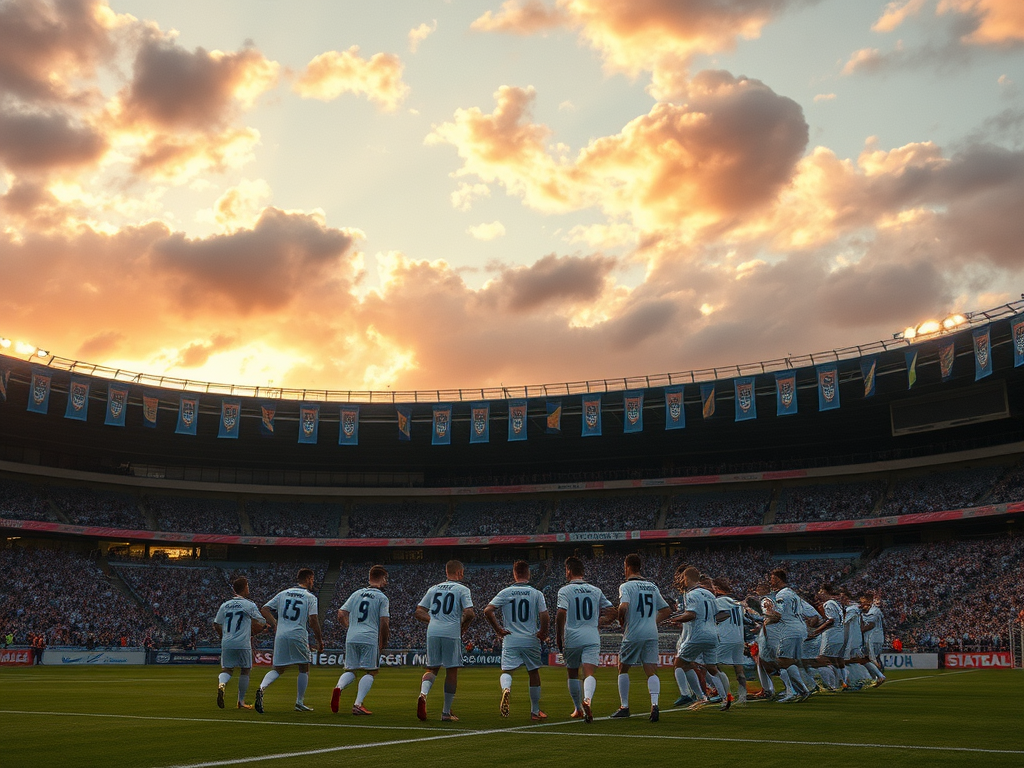
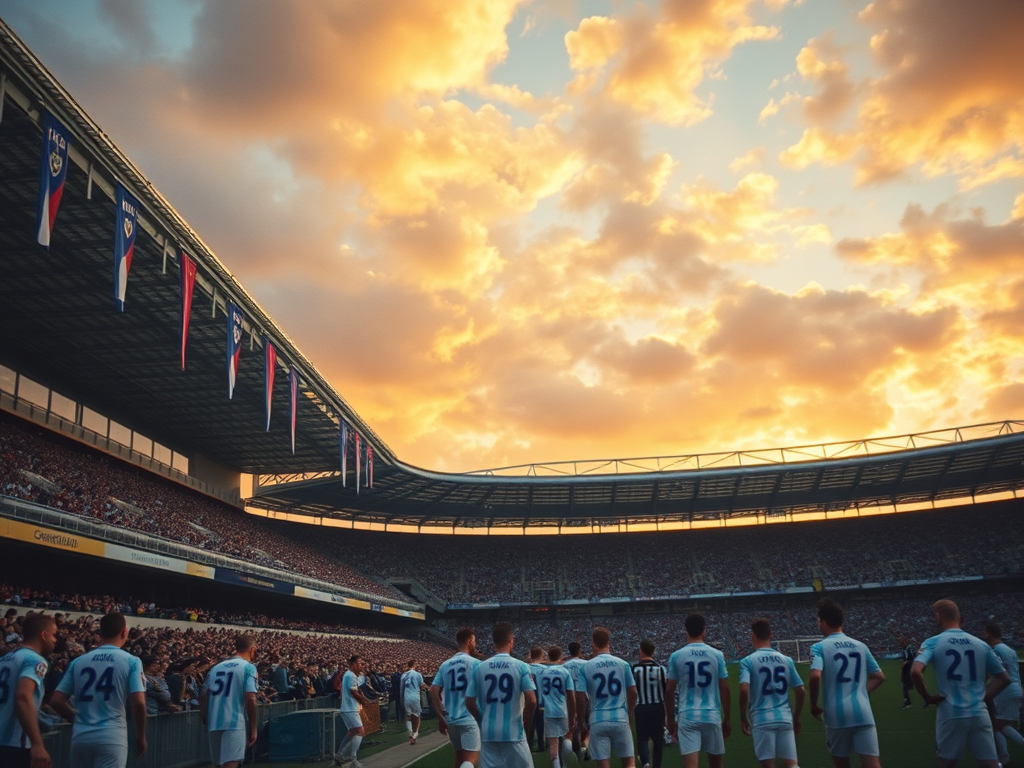
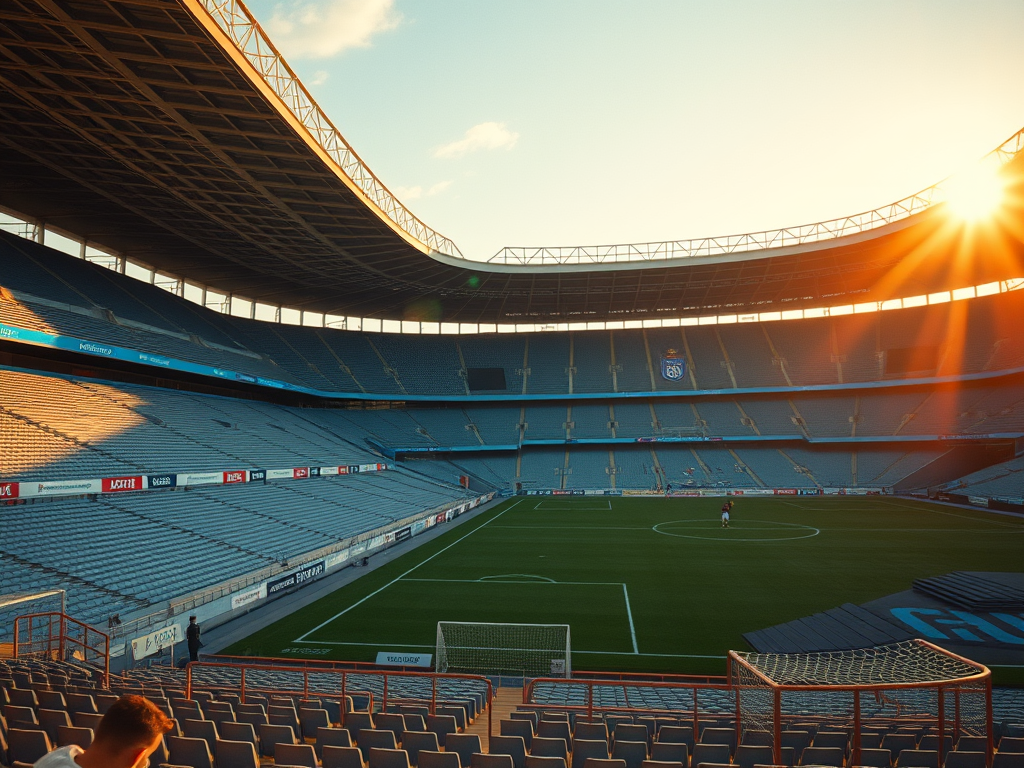
The Vélodrome, filled with passionate supporters, had become a fortress. Home matches were often festive events where the fervor of the fans blended with the explosiveness of the team's play. OM managed to create a dynamic that captivated not only the city of Marseille but all of France.
However, Tapie's journey was not without controversy. The years of success were also marred by scandals, most notably the infamous corruption scandal that led to the club's relegation in 1994. This setback tested the resilience of OM and its supporters, but the passion and commitment of the latter enabled the club to rise again.
Today, as OM continues to navigate through highs and lows, it is essential to remember this era when the club reinvented itself and captured the hearts of the Marseillais. Bernard Tapie's legacy, both in sporting and economic terms, remains an inspiration for current and future generations of OM.